Table of Contents
- Why Siding Color Matters for Curb Appeal
- Popular House Siding Colors That Stand the Test of Time
- Siding Color Combinations That Enhance Your Home’s Exterior
- Matching Siding Colors to Your Roof and Existing Features
- How to Preview and Test Siding Colors Before Committing
- Selecting Siding Colors Based on Your Home’s Architectural Style
- Color Durability, Maintenance, and Long-Term Curb Appeal
- Frequently Asked Questions
Last Updated: October 7, 2026
Why Siding Color Matters for Curb Appeal
The color you choose for your siding is one of the most visible decisions you’ll make about your home’s exterior. It shapes first impressions and directly impacts resale value.
Curb appeal isn’t just aesthetics: it affects how buyers perceive your home’s condition, and a well-chosen siding color coordinates with your roof, trim, and landscaping to create visual harmony.
Siding colors look different depending on lighting, time of day, season, and your home’s orientation.
Most homeowners choose siding colors based on small samples or photos. Take those samples home and view them on your actual house at different times of day, morning, afternoon, and evening. The same color shifts dramatically as sunlight changes.
Popular House Siding Colors That Stand the Test of Time
Certain siding colors have remained popular for decades because they work across architectural styles and neighborhoods. These aren’t trendy choices that feel dated in five years, they’re proven options that maintain curb appeal.
Neutral and Warm White Options
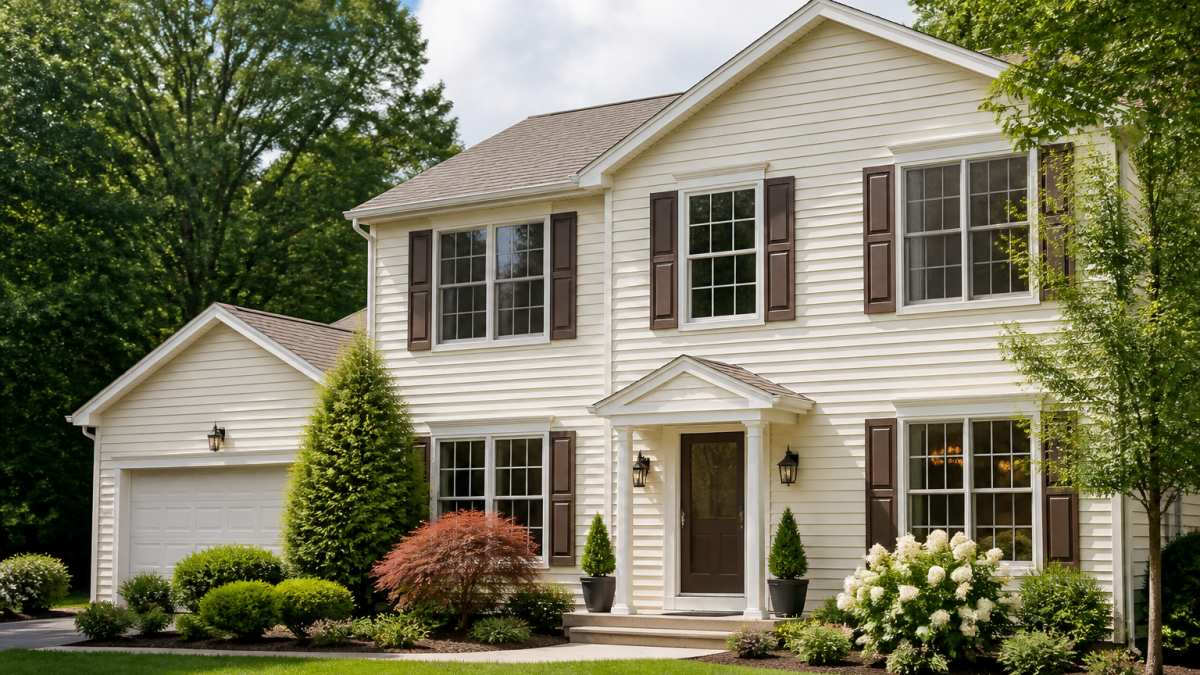
White siding offers timeless appeal and works with nearly every architectural style.
The key distinction is undertone: pure white has none, while warm white carries subtle yellow, beige, or peachy notes.
White shows dirt, algae, and weathering more visibly than darker colors, so humid climates require periodic cleaning, but the timeless quality makes it worth the effort for homeowners who prioritize classic curb appeal.
Gray and Charcoal Tones
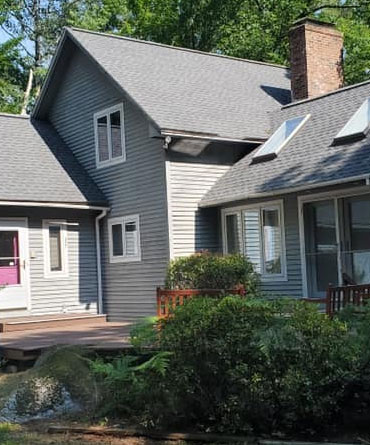
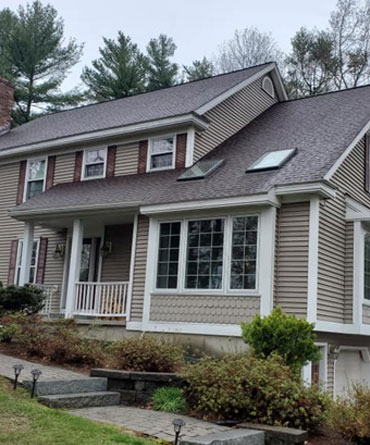
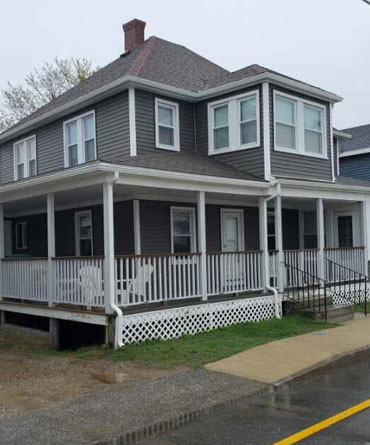
Gray siding has become the default choice for modern homes. It’s versatile, hides weathering well, and works with contemporary and traditional designs.
Warm gray carries subtle brown or taupe undertones and feels softer; cool gray leans toward blue or purple and reads as more modern. Your roof color and existing stone or brick will guide this choice.
Charcoal gray pairs exceptionally well with white or cream trim, creating strong contrast that enhances curb appeal, and works beautifully with natural wood accents or metal details.
Beige, Taupe, and Tan Shades
These warm, earthy tones sit between white and brown on the color spectrum. Beige feels welcoming on traditional, farmhouse, and ranch-style homes.
These colors excel at coordinating with natural materials. If your home has stone, brick, or wood elements, a warm neutral siding color creates visual continuity. Tan and taupe also age gracefully, since minor weathering doesn’t create the harsh contrasts white can.
Warm neutrals can feel dated if you choose the wrong shade. Test samples that lean slightly cooler (toward greige, which blends gray and beige) rather than too warm or too brown.
Bold and Modern Choices
Blue, green, and even black siding are gaining traction among homeowners willing to make a statement. Navy blue siding creates nautical appeal and pairs well with white trim. Soft sage green feels natural and calming.
Bold colors require confidence and careful coordination with trim and accents. They demand higher-quality materials because fading becomes immediately visible, and they limit flexibility if you later change other exterior elements.
If you’re considering a bold siding color, test it in morning light, afternoon light, and overcast conditions.
Siding Color Combinations That Enhance Your Home’s Exterior
The most striking homes rarely use a single color. They layer siding colors with trim, shutters, and accents to create depth and visual interest. This is where siding colors curb appeal truly comes alive.
Warm Palettes: Creating Inviting Contrast
Warm palettes combine warm siding colors with contrasting trim and accents. Warm white siding with dark brown or charcoal shutters creates traditional appeal, while tan or beige siding with deep brown trim feels earthy and grounded.
The principle is simple: pair a lighter siding color with darker trim, or vice versa. Light siding with dark shutters creates visual definition.
Warm palettes also incorporate natural materials beautifully. Stone foundations, wooden doors, or brick chimneys enhance warm combinations, so choose siding colors that complement rather than fight these features.
The most inviting homes use a 60-30-10 color rule: 60% dominant color (siding), 30% secondary color (trim or shutters), 10% accent color (door, hardware, or landscaping). This creates visual harmony without monotony.
Cool Palettes: Modern and Sophisticated
Cool palettes pair cool-toned siding with crisp white, light gray, or soft blue trim.
Cool palettes work exceptionally well on modern and contemporary homes, and suit traditional homes with clean lines and minimal ornamentation. The key is avoiding too much contrast: if every element differs drastically in value, the home looks fragmented rather than cohesive.
Cool palettes pair beautifully with metal accents like aluminum gutters, modern light fixtures, or steel doors, and work well with minimal landscaping or architectural plants that don’t compete for attention.
Coordinating Trim, Shutters, and Accents
Trim color is the easiest way to enhance siding colors curb appeal. White or cream trim brightens dark siding and adds definition, while darker trim on light siding creates visual grounding.
Shutters should either match your trim color or provide intentional contrast, never clash with both siding and trim.
Doors are your 10% accent color. A bold front door, red, navy, or even black, draws the eye and adds personality; because doors are small, bold colors feel intentional rather than overwhelming.
Matching Siding Colors to Your Roof and Existing Features
Your roof color constrains your siding choices more than most homeowners realize. A successful exterior coordinates all major elements: siding, roof, trim, foundation, and any existing brick or stone.
Working with Asphalt Shingle Roofs
Most homes have asphalt shingle roofs in gray, brown, or black tones. Gray roofs pair beautifully with cool-toned siding like light gray, medium gray, or soft white.
The mistake most homeowners make is choosing siding too similar in value to their roof. If both are medium gray, the home looks flat and one-dimensional.
If you’re replacing both roof and siding, choose them together rather than sequentially. A professional contractor like All Weather Exteriors LLC can help you visualize combinations before you commit.
Coordinating with Stone, Brick, and Landscaping
Stone foundations, brick chimneys, or existing brick are fixed elements your siding color must respect. Warm-toned brick pairs with warm siding colors (cream, tan, warm white); cool-toned brick pairs better with cool siding colors or contrasting warm colors.
Don’t try to match brick exactly. Choose siding that complements the brick’s undertone or provides intentional contrast.
Landscaping should enhance your siding color choice, not fight it. Evergreen shrubs and trees work with nearly any siding color.
How to Preview and Test Siding Colors Before Committing
This is where most homeowners stumble. Siding is expensive and permanent, so testing is non-negotiable. Small samples in artificial light tell you almost nothing about how a color performs on your actual home.
Using Physical Samples and Lighting Tests
Request large paint samples from your siding manufacturer, at least 12 by 12 inches, large enough to see true color without your eye compensating.
View samples at different times of day. Morning light is cool and blue-toned, afternoon light is warm and yellow-toned, and overcast light is neutral.
Leave samples up for several days. Your perception shifts as you live with a color.
Take photos of samples in different lighting conditions to remember how colors appeared and compare options objectively, and to share when discussing choices with family members or contractors.
Considering Sun Exposure and Orientation
South-facing walls receive intense afternoon sun and appear warmer and brighter. North-facing walls stay cool and appear darker. East-facing walls get warm morning light. West-facing walls get intense afternoon light.
The same siding color appears different on different sides of your home. This is usually fine, creating subtle variation that adds visual interest.
In New Hampshire and Massachusetts, winter sun is lower and cooler while summer sun is higher and warmer.
Selecting Siding Colors Based on Your Home’s Architectural Style
Your home’s architectural style should guide your color choice. Certain colors feel natural on certain styles, while mismatches create visual discord.
Classic and Traditional Homes
Traditional homes, Colonials, Victorians, farmhouses, feel most authentic with neutral or warm colors. White, cream, warm white, or soft tan siding suits these styles beautifully.
Traditional homes rarely benefit from bold siding colors. A Victorian in navy blue or a Colonial in charcoal gray can work if executed thoughtfully, but these choices feel trendy rather than timeless.
The exception is a traditional home in a neighborhood where bold colors are becoming standard. Then you have flexibility to choose colors that appeal to you personally rather than strict style rules.
Modern and Contemporary Designs
Modern and contemporary homes embrace cool tones, bold colors, and high contrast. Light gray or charcoal gray siding with white trim feels at home on modern designs.
Modern homes can also carry bold colors successfully. Navy blue, deep green, or even black siding works on contemporary designs because the aesthetic supports drama and contrast. The key is ensuring trim, doors, and accents coordinate intentionally rather than accidentally.
Contemporary homes benefit from minimalist landscaping that doesn’t compete with siding color. Simple evergreens, gravel, or architectural plants work better than colorful flower beds.
Color Durability, Maintenance, and Long-Term Curb Appeal
Siding color doesn’t just affect initial impression, it affects how your home looks five, ten, and twenty years from now. Some colors age gracefully.
Lighter colors show dirt, algae, and weathering more visibly than darker ones.
Vinyl siding holds color better than wood, which naturally weathers and grays over time.
Gray and charcoal tones age exceptionally well. They hide minor weathering and maintain curb appeal with minimal maintenance. Warm neutrals like tan and beige also age gracefully.
Avoid siding colors that are trendy but not versatile. Ultra-bright colors or unusual shades may feel exciting now but become eyesores as trends shift. Stick with colors that have remained popular for decades, or choose bold colors that genuinely reflect your personal style, not temporary trends.
The most durable approach is choosing a color you genuinely love that also coordinates with your roof, trim, and existing features. A color you love requires less maintenance because you’re motivated to keep it looking its best, while a trendy color becomes a burden when the trend passes.
Choosing the right siding colors curb appeal is one of the most impactful decisions you’ll make about your home’s exterior.
Frequently Asked Questions
What siding color is best for curb appeal?
The best siding color depends on your home’s architectural style, roof color, and local landscape. Neutral tones like white, gray, and beige offer timeless appeal and work with most homes. Gray siding has become increasingly popular for its modern look and ability to hide dirt. Whatever you choose, ensure it contrasts well with your trim and complements your roof to create visual interest and enhance curb appeal.
How do I choose a siding color that matches my roof?
Start by identifying your roof color, whether it’s charcoal, brown, or architectural shingles with mixed tones. Light gray or white siding pairs well with dark roofs for contrast. Warm-toned beige or tan works with brown or warm-gray roofs. Test samples on your home’s north and south sides to see how sunlight affects the color relationship. Avoid matching your siding exactly to your roof; instead, aim for complementary tones that create visual separation between the two exterior features.
Can I preview siding colors on my house before choosing with a siding color visualizer?
Yes. Many manufacturers offer visualization tools that let you upload a photo of your home and apply different siding colors digitally. However, these tools show colors in controlled lighting and may not reflect how they appear in various times of day or seasons. The most reliable method combines digital visualization with physical samples held against your home’s exterior in natural daylight, testing both north and south-facing walls to account for sun exposure differences.
Do dark siding colors fade faster than light colors?
Dark colors, especially deep blues and blacks, tend to fade more noticeably over time due to UV exposure, though quality vinyl siding is designed to resist fading. Light colors like white and pale gray hide fading better because color loss is less visible. Regardless of shade, invest in vinyl siding with UV-protective coatings and consider your climate, harsh sun exposure accelerates fading in all colors. Regular cleaning and maintenance help preserve color vibrancy and extend the life of your siding’s appearance.