Quick Summary
Energy efficient window installation services cover removing the old window, inspecting and repairing the rough opening, installing the new unit, sealing and flashing it, and cleaning up. Correct installation matters as much as the glass, because air leaks around the frame can erase much of the savings. Get itemized written quotes to compare what each provider includes.
- ENERGY STAR says certified windows can reduce heating and cooling costs by an average of up to 13%.
- Air leaks around the frame account for a large share of lost comfort, so sealing details matter.
- Installed prices bundle the unit, labor, removal and disposal, and any repair or finish work.
- Ask how flashing is installed, since skipping it is a common cause of water damage.
- Compare quotes line by line and confirm licensing, insurance, and warranty terms in writing.
Table of Contents
- What Energy Efficient Window Installation Services Include
- Energy-Efficient Window Installation Cost: What You Can Expect to Pay
- Best Energy-Efficient Windows: Materials, Glass and Performance Ratings
- The Window Installation Process, Step by Step
- How Much Energy Efficient Windows Can Save on Utility Bills
- Questions to Ask a Window Contractor Before You Hire
- Booking Your Free Window Estimate
- Frequently Asked Questions
What Energy Efficient Window Installation Services Include
Energy efficient window installation services cover more than hanging a new unit in an opening. A complete job usually includes removing the old window, inspecting the rough opening for rot or water damage, installing the new unit, sealing and flashing it, and cleaning up. According to ENERGY STAR’s guidance on certified residential windows, certified windows, doors, and skylights can reduce heating and cooling costs by an average of up to 13%, but that savings depends on the window being installed correctly.
Many homeowners assume the window itself does all the work. In practice, air leaks around the frame account for a large share of lost comfort, so the sealing details matter as much as the glass. A good installer checks insulation around the frame, replaces damaged trim, and uses weatherstripping that matches the window type.
Ask any provider exactly what is included in the quote. Some bids cover only the unit and labor, while others include disposal, interior trim, and warranty paperwork. Comparing quotes line by line prevents surprises.
Energy-Efficient Window Installation Cost: What You Can Expect to Pay
Most published cost guides frame energy-efficient windows as a per-window range, but the number a homeowner actually pays is an installed price, the unit plus labor, removal, disposal, trim, and any rough-opening repair. Published guides commonly place energy-efficient replacement windows in the range of a few hundred to roughly nine hundred dollars per window installed, according to This Old House’s window cost guide, with the low end reflecting standard vinyl double-pane units in simple openings and the high end reflecting larger, wood-clad, or high-performance units with finish work. Treat any single number as a starting bracket, not a quote.
A more useful way to read a bid is to separate it into four cost buckets and compare each one across contractors:
- Unit cost. The window itself, priced by material, size, and glass package.
- Labor. Removal, setting, shimming, fastening, insulating, and sealing. Second-story windows, tight lots, and hard-to-access openings raise labor because they slow the crew and may require staging or a lift.
- Removal and disposal. Hauling away old units and debris. Some bids bundle this; others list it separately. Ask which.
- Repair and finish. Rough-opening repair (rot, framing damage, water intrusion), interior and exterior trim, flashing, and paint or stain. This bucket is where surprise charges most often appear.
What Moves the Installed Price Up or Down
- Window material: Vinyl usually costs less than fiberglass or wood-clad units; wood-clad and custom colors add cost.
- Glass package: Double-pane and low-E coatings add cost but improve performance; triple-pane and gas fills add more.
- Window size and count: Large or unusual sizes cost more per unit, and a whole-house order spreads fixed labor over more openings.
- Rough opening condition: Rot, framing damage, or water intrusion adds repair time and materials.
- Access: Second-story windows or tight lots increase labor and may require equipment.
- Installation method: Insert replacement (fitting a new unit into the existing frame) is usually less expensive than full-frame replacement, which involves removing the frame and trim and reframing the opening.
Because prices depend so heavily on the project, get written estimates for your specific home and ask each contractor to break out the window cost, installation labor, removal and disposal, and any repair or finish work separately. A bid that lists one lump sum is harder to compare and easier to inflate later. Confirm what is included and excluded in each quote before you sign.
Best Energy-Efficient Windows: Materials, Glass and Performance Ratings
The right window depends on your climate, your budget, and how much maintenance you want to handle. Look at frame material and glass performance together, since both affect heat loss.
Glass performance is often the most important factor. Low-emissivity coatings reduce heat transfer, and insulated glass units with gas fills improve insulation further. A National Fenestration Rating Council’s rating program label lets you compare U-factor and solar heat gain coefficient across products on an equal footing.
Pros and Cons of Common Window Materials
- Vinyl: Low maintenance and generally affordable. It can be less rigid in very large sizes and offers fewer color choices.
- Fiberglass: Stable in temperature swings and strong. It typically costs more than vinyl.
- Wood or wood-clad: Attractive and customizable. It needs periodic painting or sealing and costs more.
- Aluminum: Strong and slim-profiled, but it conducts heat unless it has a thermal break.
Match the material to your exposure. Homes facing harsh winters or strong sun benefit most from insulated frames and high-performance glass.
The Window Installation Process, Step by Step
A typical installation follows a predictable sequence. Knowing the steps helps you judge whether a contractor is cutting corners.
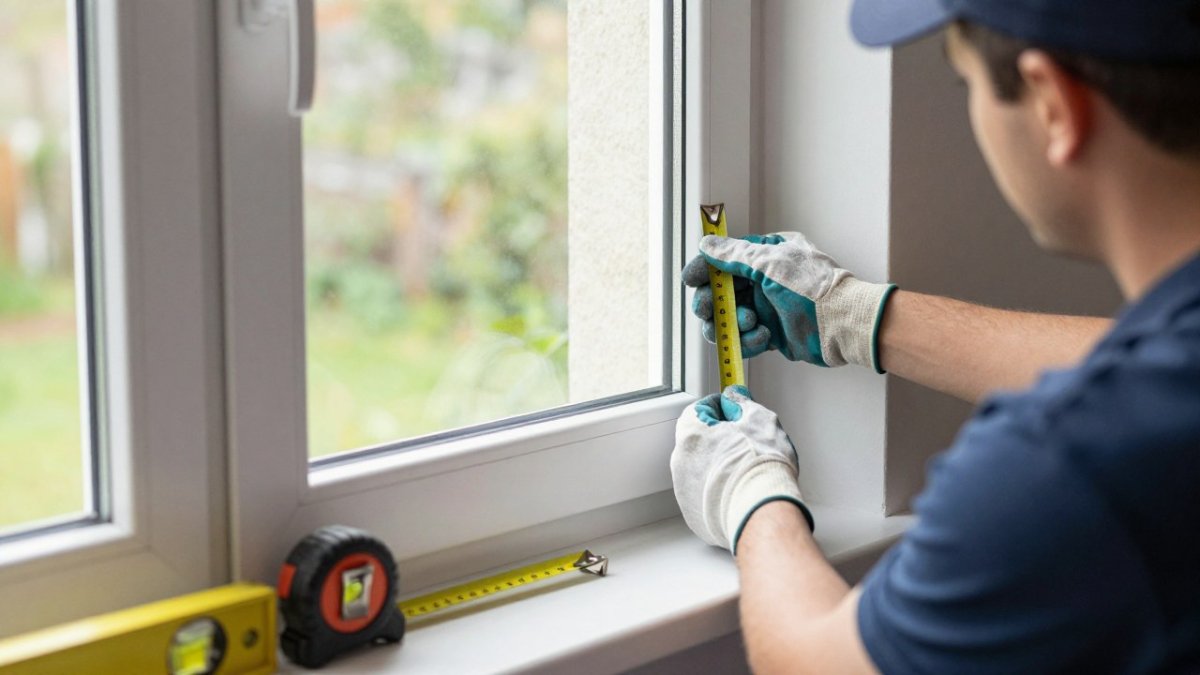
- Measure and confirm the order. The installer measures each opening and verifies the unit specifications.
- Remove the old window. Trim and sash are removed, and the opening is inspected.
- Repair the rough opening. Damaged framing or sheathing gets fixed before the new unit goes in.
- Set and level the new window. It is shimmed, fastened, and checked for square.
- Insulate and seal. Foam or insulation fills the gaps, and exterior flashing directs water away.
- Install interior and exterior trim. Finish work completes the opening.
- Test operation and clean up. The sash, locks, and screens are checked before the crew leaves.
Watch out: skipping the flashing step is a common cause of water damage. Ask how the flashing is installed before work begins.
How Much Energy Efficient Windows Can Save on Utility Bills
Savings depend on your existing windows, your climate, your heating and cooling system, and your energy rates. Savings vary by home, so use your past utility bills to estimate what to expect for your own home.
Use your past utility bills to set a baseline, then compare after the upgrade. A contractor should be able to explain expected results in terms of your own usage rather than quoting a generic figure.
| Factor | Effect on savings |
|---|---|
| Old single-pane windows | Largest potential improvement |
| Double-pane, low-E glass | Reduces heat transfer year-round |
| Air sealing and proper installation | Prevents drafts that undo good glass |
| Climate severity | Greater heating and cooling loads mean more savings |
Questions to Ask a Window Contractor Before You Hire
A question list is only useful if you know what a good answer looks like. Before signing, ask each contractor the same questions and write down the answers so you can compare them side by side, not just the price.
Licensing and insurance. Ask whether the company holds the license your state requires for residential window installation and whether it carries general liability and workers’ compensation insurance. Request a certificate of insurance and confirm the policy is current. A contractor who cannot produce proof is a risk you do not need to take.
Warranty coverage. Ask what the warranty covers, who honors it, and how long it lasts. Product warranties (from the window manufacturer) and labor warranties (from the installer) are separate. Confirm whether the labor warranty covers leaks, seal failures, and glass breakage, and whether it is prorated. Get the warranty terms in writing before work begins. Clear written warranty terms also make it easier to compare proposals, since SC Design can help frame the efficiency details and project requirements to discuss before installation.
Who does the work. Ask whether the crew is made up of employees or subcontractors, and who will be on site. Employee crews are generally easier to hold accountable for installation quality; subcontractors can be fine, but you want to know in advance.
Installation method and sealing. Ask how the contractor handles flashing and air sealing at the rough opening, and whether the job is an insert replacement or a full-frame replacement. Watch out: skipping or shortcutting flashing is a common cause of water damage behind the trim, so ask to see how it is installed before work starts.
Payment schedule. Ask for the deposit amount and the payment milestones. A large deposit before materials are ordered is a warning sign; progress payments tied to completed work are easier to manage.
Timeline and cleanup. Ask how long the project will take from start to finish, who handles debris removal, and what the cleanup includes.
References and complaint history. Ask for references from jobs completed in the past year and follow up with at least two. Check the contractor’s complaint history with your state’s consumer protection office and with the Better Business Bureau. A pattern of unresolved complaints is more informative than a single bad review.
Post-installation support. Ask who to call if a window leaks, fogs, or fails to operate, and what the response time is. A clear service process after the crew leaves is part of what you are paying for.
Read the contract carefully for any work that is excluded from the price, and do not sign until the scope, warranty terms, and payment schedule match what you were told.
Booking Your Free Window Estimate
A written estimate is the fastest way to see realistic costs for your home. Compare the scope, materials, warranty, and timeline in each proposal before you decide. For professional windows services in New Hampshire and Massachusetts, book window repair and replacement in your area today. If you are ready to move forward, the Better Business Bureau’s guidance on choosing a contractor offers useful checks on licensing and complaint history.
Frequently Asked Questions
How much does it cost to get energy-efficient windows installed?
The final figure depends on the frame material, the glass package, the window size and the complexity of the installation. Older homes with rot or framing damage often add to the total. Pricing varies by quantity and project scope, so request a written estimate from each contractor that itemizes windows, labor, removal and disposal. All Weather Exteriors LLC provides a free estimate for your specific home and can be reached through our website.
What should I look for in an energy-efficient window installer?
Start with licensing and insurance, and ask for proof of both. Confirm the company has experience with the window type you want and with homes of your age. Ask whether installers are trained and whether the company uses a documented installation method that includes proper flashing and sealing. Finally, read the warranty carefully, because the installer’s workmanship warranty matters as much as the manufacturer’s product warranty. A reputable contractor will answer these questions in writing.
Which window features improve energy efficiency the most?
The features that matter most are double or triple-pane insulated glass, low-E coatings, gas fills such as argon, and insulated frames. The U-factor measures how well a window resists heat flow, with lower numbers indicating better insulation. The solar heat gain coefficient describes how much solar heat passes through, which matters for cooling in warmer months. Proper installation and air sealing are also essential to realizing these gains.
How long does professional window installation take?
Project duration depends on the number of windows, the condition of the existing openings and the weather. Installers typically need to remove old units, inspect the framing, install the new windows, seal and flash them, and clean up. Ask your contractor for a projected schedule and confirm how weather delays will be handled. Clear communication about timing helps prevent surprises once work begins.