Table of Contents
- Why Getting Multiple Roof Replacement Quotes Matters
- Key Information Contractors Need for an Accurate Roof Replacement Quote
- Understanding Roof Replacement Cost Factors in Your Quote
- How Long Does Roof Replacement Take and What It Means for Your Quote
- How to Compare Roofing Estimate Options Side by Side
- Red Flags in Roof Replacement Quotes and How to Verify Contractors
- Preparing for Your Roof Inspection and In-Person Estimate
- Frequently Asked Questions
Last Updated: October 18, 2026
Why Getting Multiple Roof Replacement Quotes Matters
A roof replacement is one of the largest home improvement investments you’ll make. Before you commit to a contractor or project timeline, getting multiple roof replacement quotes gives you the clarity to make an informed decision.
The difference between a rushed estimate and a thorough one often comes down to how much information you provide upfront. Contractors who take time to gather detailed measurements, inspect your roof’s condition, and understand your material preferences will deliver more accurate pricing. When you get quote for roof replacement from several qualified professionals, you can compare their scope of work, material recommendations, and warranty terms side by side.
Here’s what matters most: a written roof replacement quote protects you. It locks in scope, materials, labor costs, and timelines before work begins. Verbal estimates lead to scope creep, surprise charges, and disputes. We recommend collecting at least three written quotes from licensed, insured contractors in your area. This approach reveals market rates, contractor professionalism, and red flags early.
Request quotes from contractors who will conduct an in-person roof inspection. Phone estimates and online calculators are starting points, but they can’t account for structural issues, hidden damage, or local code requirements that affect final pricing.
Key Information Contractors Need for an Accurate Roof Replacement Quote
Roof measurements and square footage
An accurate roof replacement quote starts with precise measurements. Contractors need to know your roof’s total square footage to calculate material quantities and labor hours. One square in roofing terminology equals 100 square feet, so a 2,000-square-foot roof is 20 squares.
Most contractors will measure your roof in person during an inspection. If you want a preliminary estimate before scheduling that visit, you can provide rough dimensions: the length and width of your home, plus the number of stories and roof style. However, these preliminary numbers often differ from actual measurements once a contractor gets on site.
The measurement process involves walking your roof, checking for dormers, valleys, skylights, and other features that affect total square footage. Some homes have irregular shapes or multiple roof levels that complicate the calculation. Contractors also note whether your roof is accessible and whether the existing roof will need to be torn off or roofed over, both of which influence labor costs.
Roof pitch, design complexity, and existing conditions
Roof pitch, the angle or steepness of your roof, affects both material requirements and labor difficulty. A steeper roof requires more safety equipment, takes longer to install, and may require specialty materials. Contractors measure pitch as a ratio: a 6:12 pitch means the roof rises 6 inches for every 12 inches of horizontal distance.
Design complexity matters too. A simple rectangular roof costs less to replace than one with multiple peaks, valleys, or dormers. Each transition point requires careful flashing installation to prevent leaks, adding time and materials to the project.
Existing roof condition also influences your quote. If your current roof has multiple layers or old asphalt shingles that are brittle, tear-off will take longer. Some contractors charge extra for disposal of heavy or hazardous materials. Others factor in potential structural repairs discovered during tear-off, rotted decking, damaged trusses, or inadequate ventilation that must be fixed before new roofing goes down.
Understanding Roof Replacement Cost Factors in Your Quote
Material selection and labor costs
Your choice of roofing material drives a significant portion of your roof replacement quote. Asphalt shingles are the most affordable option and account for the majority of residential roofs. Metal roofing, architectural shingles, and specialty materials cost more upfront but often last longer and carry better warranties.
Labor costs typically represent 40-60% of a roof replacement project. This includes removal of the old roof, disposal, installation of new materials, flashing work, and cleanup. Geographic location, contractor experience level, and project complexity all influence labor pricing. A contractor with 25 years of experience and multiple certifications may charge more than an entry-level crew, but the quality and warranty backing often justify the difference. Investing in professional labor ensures that structural integrity remains the priority, especially when homeowners must weigh the long-term economic trade-offs of moss removal versus replacement.
When comparing quotes, ask each contractor to itemize labor separately from materials. This transparency helps you understand where your money is going and compare apples to apples across different bids.
Tear-off and disposal pricing
Tear-off is the process of removing your existing roof down to the decking. This isn’t always included in a roof replacement quote at the same rate. Some contractors bundle tear-off into their labor cost. Others charge per square or per hour.
Disposal fees vary by location and local waste management rules. Your old roofing materials must go somewhere, either to a landfill, a recycling center, or a contractor’s dumpster. Ask your contractor whether disposal is included in their quote or if it’s an additional charge. Some contractors recycle old asphalt shingles; others haul them to a landfill. The method affects both cost and environmental impact.
If your existing roof has multiple layers, tear-off takes longer and costs more. Some jurisdictions limit the number of roof layers allowed, so a tear-off becomes mandatory rather than optional. This detail should be addressed in your roof replacement quote and in any pre-project inspection.
How Long Does Roof Replacement Take and What It Means for Your Quote
Most residential roof replacements take 1-3 days, depending on roof size, complexity, and weather. A simple 1,500-square-foot ranch roof might be done in a single day. A larger, multi-level home with a complex design could take a week or more.
Your roof replacement quote should include a projected timeline. This helps you plan for disruptions, noise, debris, restricted access to your yard, and the need to secure loose items on your property. Weather delays aren’t always included in the initial timeline but should be discussed upfront.
The timeline also affects labor costs. A project that stretches across multiple weeks due to weather, material delays, or contractor scheduling will accumulate more labor hours than a project completed in two consecutive days. When you get quote for roof replacement, ask the contractor how weather delays are handled and whether they have a contingency plan to minimize disruption.
Beware of contractors who promise unrealistically fast completion times. A roof replacement rushed to meet an artificial deadline often results in poor workmanship, missed details, and warranty disputes later. Quality takes time.
How to Compare Roofing Estimate Options Side by Side
Line-by-line comparison of scope and materials
When you have multiple roof replacement quotes in hand, create a comparison spreadsheet. List each contractor’s scope of work line by line: tear-off, disposal, new material type and quantity, flashing, ventilation work, cleanup, and any warranties or guarantees.
Look for differences in scope. One contractor might include new flashing and ventilation upgrades. Another might charge those as add-ons. A quote that seems cheaper may be missing components that others include as standard. A detailed line-by-line comparison reveals these gaps immediately.
Material specifications matter too. If one quote specifies 30-year architectural shingles and another specifies 25-year standard shingles, that price difference is expected. If two contractors are specifying identical materials but their prices differ significantly, ask why. It could reflect labor efficiency, overhead, or profit margins, all legitimate factors.
Warranty coverage and payment terms
Warranty terms vary widely and directly affect your long-term risk. Some contractors offer a 5-year workmanship warranty. Others back their work for 10 or even 25 years. Material warranties from manufacturers often extend 20-30 years or longer, but workmanship warranties from your contractor are equally important.
Ask each contractor to detail their warranty in writing. What does it cover? Labor defects only, or materials too? Does it include weather damage or just installation errors? How do you file a claim if something goes wrong? A contractor who stands behind their work with a strong, detailed warranty is worth more than one offering a vague promise.
Payment terms also belong in your comparison. Some contractors require 50% upfront, with the balance due upon completion. Others work on different schedules. Understand the payment structure before signing a contract. Legitimate contractors don’t ask for the full payment before work begins.
Red Flags in Roof Replacement Quotes and How to Verify Contractors
Several warning signs suggest a contractor may not deliver quality work or fair pricing. If a quote is significantly lower than others, ask why. It could reflect efficiency or lower overhead.
Vague scope descriptions are a red flag. A quote that says “new roof installation” without specifying materials, labor breakdown, or warranty is incomplete. Request a detailed, itemized estimate before committing.
Contractors who pressure you to decide immediately or offer discounts that expire today are using high-pressure sales tactics. Legitimate contractors understand that a roof replacement is a major decision and give you time to compare options.
Verify contractor credentials before hiring. Check that they’re licensed and insured in your state. Ask for references and follow up with past customers. Look up online reviews, but remember that unhappy customers are more likely to leave reviews than satisfied ones.
All Weather Exteriors LLC maintains Master Elite® Certification and carries full licensing and insurance. Our 25 years in business reflect our commitment to quality and customer relationships.
Preparing for Your Roof Inspection and In-Person Estimate
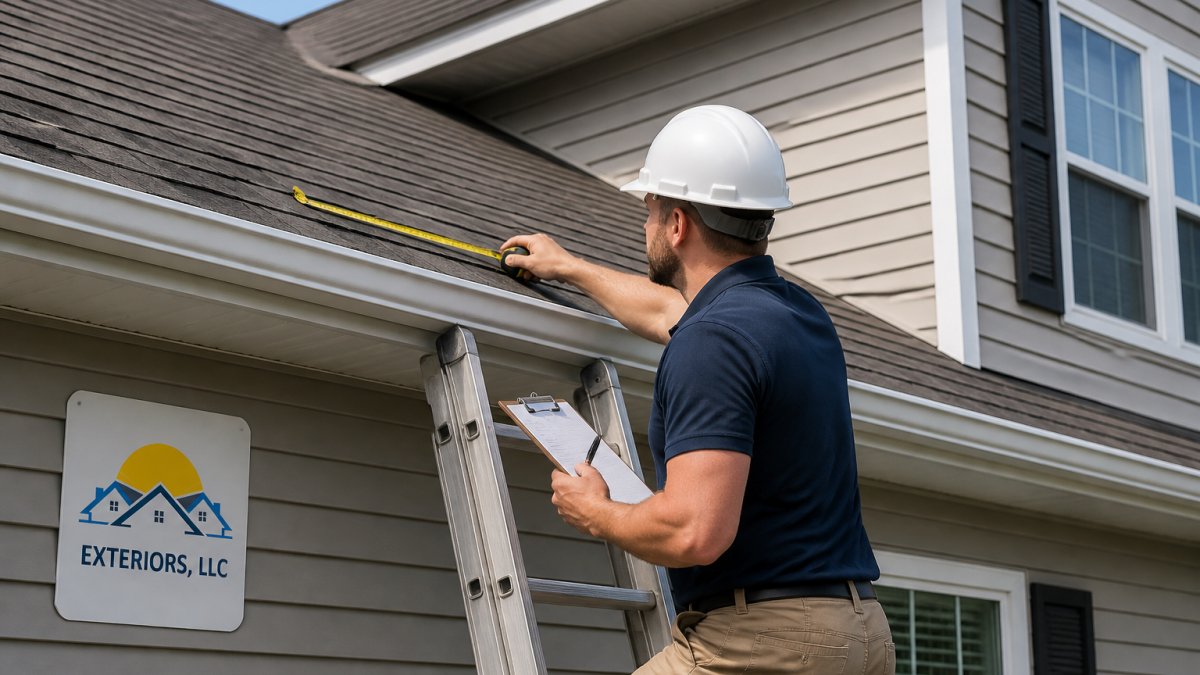
Before a contractor arrives for an in-person inspection, prepare your home and gather relevant information. Have your roof’s age ready if you know it.
Clear your attic or roof access if the contractor needs to inspect from inside. Make sure they can safely access your roof.
During the inspection, the contractor will walk your roof, check for damage, assess structural condition, and measure square footage.
Ask questions during the inspection. What condition is your current roof in? Are there any hidden issues discovered? What material does the contractor recommend for your climate and budget?
Getting a roof replacement quote is the essential first step toward protecting your home. Collect multiple written estimates, compare scope and warranty terms carefully, and verify contractor credentials before deciding.
| Comparison Element | What to Look For | Why It Matters |
|---|---|---|
| Scope Detail | Itemized breakdown of tear-off, materials, labor, disposal | Prevents hidden charges and scope creep |
| Material Specs | Specific shingle type, grade, and warranty | Ensures you know exactly what you’re paying for |
| Workmanship Warranty | Duration and coverage details | Protects you if problems arise after installation |
| Timeline | Projected completion date and weather contingencies | Helps you plan and understand delays |
| Contractor Credentials | License, insurance, certifications, references | Verifies professionalism and accountability |
Frequently Asked Questions
What information do I need to provide to get an accurate roof replacement quote?
Contractors need your roof’s square footage, pitch, design complexity, current condition, and material preferences. Have your address, home age, and photos of any existing damage ready. The more details you provide upfront, the more accurate your roof replacement quote will be. An in-person roof inspection typically reveals additional factors that affect final pricing, such as structural damage or ventilation issues.
How many roof replacement quotes should I get before hiring a contractor?
Getting three to five written roof replacement quotes is standard practice. This gives you a realistic price range and lets you compare scope, materials, warranties, and payment terms across contractors. Compare each estimate line by line rather than focusing solely on the lowest price. Licensed, insured contractors with strong references may justify higher quotes through better warranties, faster timelines, and superior craftsmanship.
Can I get an accurate roof replacement quote online or with a calculator?
Online roof replacement cost calculators provide a ballpark estimate based on square footage and material type, but they cannot account for local labor rates, roof complexity, or your home’s specific condition. An instant estimate is useful for budgeting, but a detailed written quote from a licensed contractor who inspects your roof in person is essential before making a final decision. Regional pricing, your roof’s pitch, and tear-off costs vary significantly and require on-site assessment.
What should be included in a roof replacement estimate from a contractor?
A complete roof replacement estimate must itemize labor costs, material costs, tear-off and disposal fees, timeline, warranty details, and payment terms. It should specify the roofing material, the scope of work, any structural repairs needed, and what happens if damage is discovered during installation. The estimate should also clarify whether the price includes underlayment, flashing, and ventilation upgrades. Request everything in writing to avoid surprises later.