Last Updated: October 26, 2026
Quick Summary
The best siding materials harsh winters combine durability, low maintenance, and moisture resistance, they expand and contract predictably, shed water rather than absorb it, and hold their integrity year after year. Fiber cement, metal, and insulated vinyl are top choices because they resist freeze-thaw damage, while standard vinyl becomes brittle below 10°F and engineered wood requires more frequent repainting.
- Fiber cement lasts 25-30 years and resists freeze-thaw damage better than wood or vinyl because it doesn’t absorb water.
- Vinyl becomes brittle below 10°F and fasteners loosen as it contracts, but insulated vinyl adds R-value and improves cold-weather flexibility.
- Metal siding lasts 40-60 years, stays flexible in extreme cold, and doesn’t absorb water or rot from freeze-thaw cycles.
- Engineered wood outperforms solid wood in harsh winters because resin binding reduces moisture absorption and improves freeze-thaw resistance.
- Proper installation with correct expansion gaps, sealed seams, and cold-rated sealants matters as much as material choice for winter durability.
Table of Contents
- Why Siding Material Matters in Harsh Winter Conditions
- Fiber Cement Siding in Cold Climates
- Vinyl Siding in Freezing Temperatures
- Engineered Wood and Composite Siding for Winter Durability
- Metal and Aluminum Siding Performance
- Low-Maintenance Siding for Snowy Climates
- Siding Installation in Cold Weather
- Schedule Your Winter-Ready Siding Upgrade
- Frequently Asked Questions
Why Siding Material Matters in Harsh Winter Conditions
Choosing the right siding materials harsh winters isn’t about aesthetics, it’s about protecting your home from moisture infiltration, ice damage, and structural deterioration.
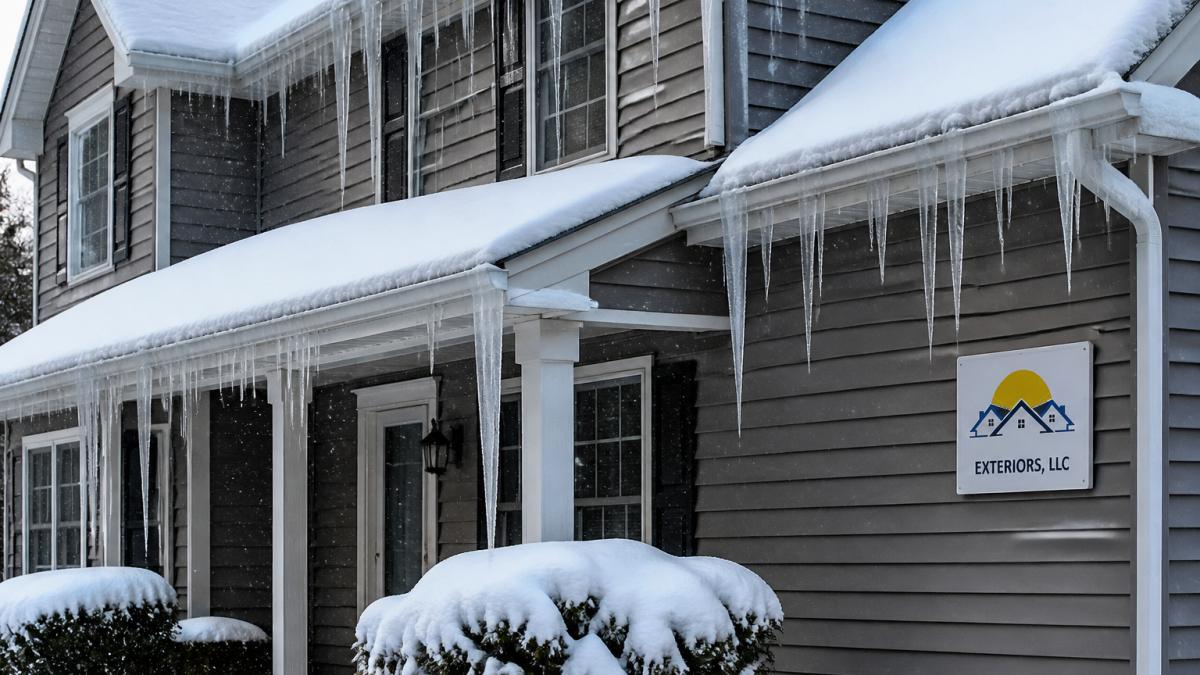
At All Weather Exteriors LLC, we’ve helped homeowners across New Hampshire and Massachusetts select siding that withstands the region’s toughest winters.
Siding materials for harsh winters must handle freeze-thaw cycles that crack weaker options, snow and ice that trap moisture against the wall, and wind-driven rain that finds gaps and seams.
The best siding materials harsh winters combine durability, low maintenance, and moisture resistance: they expand and contract predictably, shed water rather than absorb it, and hold their integrity year after year. Get a comprehensive guide to choosing the best siding type before diving into specific winter materials.
Fiber Cement Siding in Cold Climates
Fiber cement siding stands out as one of the most durable options for harsh winters.
It performs exceptionally well in extreme cold because it expands and contracts minimally, reducing the stress that cracks other materials.
Fiber cement also lasts 25-30 years before replacement, justifying the higher upfront cost with fewer repairs over time.
The main drawback is weight and installation complexity: fiber cement is heavier than vinyl, so it requires experienced contractors who understand cold-weather fastening. Loose fasteners, inadequate sealing, or gaps at seams defeat its advantages. Learn specific benefits of James Hardie fiber cement siding for winter durability and decide if it’s right for your home.
Inspect seams and fasteners every few years, especially after severe winters, and repaint every 10-15 years to keep it protected.
Here’s how the five main siding materials perform in harsh winter conditions:
| Material | Lifespan | Key Winter Advantage | Main Drawback |
|---|---|---|---|
| Fiber Cement | 25-30 years | Minimal expansion/contraction, resists freeze-thaw | Heavy, requires experienced installation |
| Vinyl | 20-25 years | Affordable, water-resistant | Becomes brittle below 10°F, fasteners loosen |
| Engineered Wood | 15-25 years | Better freeze-thaw resistance than solid wood | Needs repainting every 7-10 years |
| Metal (Aluminum/Steel) | 40-60 years | Stays flexible in extreme cold, no water absorption | Noise without insulation backing |
| Insulated Vinyl | 20-25 years | Adds R-value, reduces noise and buckling | More expensive than standard vinyl |
Vinyl Siding in Freezing Temperatures
Vinyl siding is popular in cold climates because it’s affordable, low-maintenance, and doesn’t absorb water.
Vinyl contracts significantly as temperatures drop, so fasteners snug in fall become loose by January, letting the siding shift and creating gaps where water infiltrates.
Look for vinyl rated for your region’s temperature extremes, and insist on proper installation: fasteners set with slight gaps for contraction and seams sealed against water. Explore expert vinyl siding installation services to book a professional upgrade for your home.
Vinyl’s advantage is cost and easy maintenance: no painting, resistance to rot and insects, and 20-25 years of performance in cold climates.
Engineered Wood and Composite Siding for Winter Durability
Composite resists rot, insects, and weathering better than natural wood, expands and contracts predictably, and often comes pre-finished with coatings that protect against UV and moisture.
Its key cold-climate advantage is avoiding solid wood’s weakness: moisture absorption leading to rot.
Cost falls between vinyl and fiber cement, making it an attractive middle ground, with a lifespan of 15-25 years depending on exposure and maintenance.
Metal and Aluminum Siding Performance
Aluminum is lightweight, easy to install, and resists corrosion with protective coatings. Unlike vinyl, it stays flexible even at extremely low temperatures.
Steel is heavier and stronger, with superior impact resistance and better shape retention under snow load and wind.
The main drawback is noise: wind, rain, and hail can rattle or drum inside the home unless the material is backed with insulation.
Metal lasts 40-60 years, among the longest-lasting options. Upfront cost is moderate, more than vinyl, less than fiber cement.
Low-Maintenance Siding for Snowy Climates
When winter means months of snow and ice, low-maintenance siding becomes essential. But “low maintenance” is a bundle of trade-offs, cleaning, inspection, repainting, repair, and replacement, and the materials needing the least routine care aren’t always the cheapest to own.
What Low Maintenance Actually Means
Maintenance for siding falls into four categories:
- Routine cleaning, removing dirt, salt spray, pollen, and mildew.
- Inspection, checking seams, fasteners, caulk lines, and signs of water infiltration, especially after severe weather.
- Refinishing, repainting or recoating to maintain protection.
- Repair and replacement, fixing damaged sections and eventually replacing the siding.
Vinyl and metal need almost no refinishing but require fastener and seam inspection. Fiber cement needs periodic repainting but resists rot and impact. Engineered wood resists rot but needs more frequent recoating. Knowing which tasks a material pushes onto you beats a generic “low-maintenance” label.
Material-by-Material Maintenance Profile
Fiber cement needs the least routine intervention among painted materials: it doesn’t rot, doesn’t support mold, and resists impact better than vinyl in cold.
Metal needs the least refinishing. Aluminum resists corrosion with a factory coating; steel needs intact coatings to avoid rust.
Vinyl requires no painting, but cold climates demand attention to fasteners and seams, contraction loosens fasteners and opens gaps, so inspect annually before winter.
Engineered wood resists rot better than solid wood, but the finish is vulnerable: many products need recoating every 7-10 years, and cut edges and damaged areas need sealing. Repairs often require matching a factory finish, which gets harder as products age.
Ask for the manufacturer’s written maintenance requirements before choosing a material. Some warranties are voided by pressure washing, by using certain cleaners, or by failing to repaint within a specified interval. The maintenance schedule is part of the product.
::: Neglecting these specific care instructions can lead to permanent damage, so understanding how to safely pressure wash vinyl siding remains essential for preserving the integrity of your home exterior.
Lifecycle Cost and Repairability
Initial price is only part of the story. A cheap material that needs repainting every 7 years and is hard to repair can cost more over 25 years than a pricier one with longer intervals. The variables that matter most:
- Repainting interval and cost. Painted materials (fiber cement, engineered wood, some metal) require periodic recoating. The cost depends on square footage, stories, and local labor rates, but the interval is the bigger driver.
- Repair ease and matching. Vinyl panels can often be replaced individually. Fiber cement can be patched or replaced, but color matching field-painted product takes skill. Metal dents are hard to repair invisibly. Engineered wood repairs may require factory-matched pieces.
- Replacement interval. Metal and fiber cement tend to have the longest service lives; vinyl and engineered wood are shorter. A longer service life spreads the initial cost over more years.
Estimate total cost over the period you plan to own the home: initial cost plus expected repainting plus a repair allowance, divided by expected years of service. That number beats a per-square-foot price alone.
Inspection Checklist for Snowy Climates
Regardless of material, a post-winter inspection catches problems early:
- Check caulk and sealant at corners, windows, and doors for cracks or separation.
- Look for loose or missing fasteners, especially on vinyl and metal.
- Inspect gaps at butt joints and where siding meets trim.
Low maintenance does not mean no maintenance. Every material benefits from regular inspection, especially after severe winter weather, catching problems early prevents water from damaging the wall assembly and insulation.
The lowest-maintenance siding in snowy climates is the one whose maintenance tasks match your willingness and ability to perform them. Metal and fiber cement minimize refinishing; vinyl minimizes repair cost and complexity. Choose based on the full lifecycle, not the label.
Siding Installation in Cold Weather
Installation timing and technique matter enormously in harsh winter regions. The difference between a job that survives 20 winters and one that fails in five comes down to details invisible after the last panel goes up: fastener spacing, expansion gaps, sealant cure temperatures, and wall-assembly detailing.
Temperature Limits by Material
Manufacturers publish minimum installation temperatures, and ignoring them can void warranties. As a general pattern:
- Vinyl and insulated vinyl: Most manufacturers specify not to install below 40°F (some allow 20°F with cold-weather precautions). Below those thresholds it’s less flexible and prone to cracking at fasteners and cut edges. Store panels warm and handle carefully; dropping or flexing cold vinyl causes hairline cracks that show up later.
- Fiber cement: Can be installed cold, but sealants and paints at seams and cut edges have their own minimums, often 40°F and rising, or 50°F for water-based products. Fasteners must be corrosion-resistant and driven flush, not overdriven, which crushes the material and invites freeze-thaw damage.
- Engineered wood and composite: Many products require installation above 40°F and prohibit storing panels in contact with snow or ice. Cut edges need field sealing with manufacturer-approved sealant, since moisture wicks into exposed fiber.
Cold-weather installation is not just about the siding. Sealants, adhesives, house wraps, and flashing tapes all have minimum application temperatures. A common failure pattern is installing siding correctly but applying sealant below its rated temperature, leaving seams that look sealed but are not watertight.
Expansion Gaps and Fastening
Every siding material moves with temperature, and installation must allow for it. Vinyl is most movement-sensitive: fasteners should be centered in the nail slots and not driven tight, letting panels slide.
Expansion gaps at butt joints, corners, and where siding meets trim are equally important: too small becomes a warm-weather buckle, too large invites wind-driven rain and insects. Follow published clearances rather than eyeballing.
The Wall Assembly Behind the Siding
The wall assembly behind the siding matters as much as the material. Siding is a rainscreen, not waterproofing: water behind it, from wind-driven rain, ice damming, or condensation, must drain and dry. That requires:
- A weather-resistive barrier (house wrap) with proper laps and taped seams.
- Flashing at openings, corners, and transitions to direct water outward, not into the cavity.
- Air sealing at penetrations and top plates to keep warm, moist interior air from condensing on cold surfaces.
In cold climates the risk isn’t just rain, it’s condensation and frost forming inside the wall when warm interior air meets a cold surface. Siding alone can’t solve that; air sealing, insulation, and a drainage plane keep the structure dry.
Seasonal Scheduling and Warranty Considerations
Many contractors prefer moderate temperatures when materials are neutral and sealants cure reliably.
Warranty terms hinge on these details: manufacturers may deny claims if installation occurred below the published minimum or if fasteners and sealants weren’t the specified types. Ask for documentation of installation temperatures and product specs, especially on winter projects.
Siding performance in harsh winters is a system, not a material. The best fiber cement or metal panel will underperform if it is installed with tight fasteners, undersized expansion gaps, or cold-applied sealant over a poorly detailed wall assembly. Ask your contractor how they handle temperature limits, expansion gaps, and flashing, the answers tell you more than the material brand.
Schedule Your Winter-Ready Siding Upgrade
Choosing the right siding materials for harsh winters protects your home’s structure and improves energy efficiency for years. The best choice depends on your budget, maintenance preferences, and climate exposure.
All Weather Exteriors LLC has over 25 years of experience installing durable siding that withstands New Hampshire and Massachusetts winters.
Contact the siding service provider to book a professional installation or consultation. We’ll evaluate your home’s exposure, discuss your priorities, and recommend the best siding materials and installation approach for your specific situation.
Frequently Asked Questions
What are the best siding materials for harsh winters?
Fiber cement, insulated vinyl, and metal siding rank highest for harsh winter performance. Fiber cement resists freeze-thaw cycles and moisture penetration. Insulated vinyl reduces drafts and energy loss. Metal siding sheds snow and ice without warping. Your choice depends on budget, maintenance tolerance, and whether you prioritize energy efficiency or durability alone.
How cold is too cold for vinyl siding installation?
Most manufacturers recommend not installing vinyl siding below 50°F. Cold temperatures make vinyl brittle and prone to cracking during fastening. Below freezing, vinyl becomes inflexible and can snap under normal expansion and contraction stress. Schedule installation in fall or spring when temperatures stay above 50°F to ensure proper fit and long-term performance.
Does fiber cement siding hold up better than vinyl in freeze-thaw cycles?
Yes. Fiber cement is engineered to withstand repeated freeze-thaw cycles without cracking or warping. It absorbs and releases moisture gradually without structural damage. Vinyl can become brittle in extreme cold and may crack if moisture freezes inside the material. Fiber cement’s density and composition make it the more resilient choice for regions with frequent temperature swings.
What siding requires the least maintenance in snowy climates?
Metal and insulated vinyl siding need the least maintenance. Metal naturally sheds snow and ice without accumulation. Insulated vinyl resists moisture absorption and doesn’t require repainting. Both withstand salt spray and winter chemicals. Fiber cement and wood-based composites need periodic inspections for moisture damage and may require resealing every 5-10 years in harsh conditions.
Protecting your home’s exterior through harsh winters requires more than choosing a material, it requires expert installation and ongoing attention to performance. Trust All Weather Exteriors LLC to deliver the durability, craftsmanship, and reliability your home deserves.