Last Updated: November 8, 2026
Quick Summary
Energy efficient siding can lower heating bills in an older home, but only when the wall beneath is sound and the right material is chosen for the house. New siding alone does not fix air leakage or missing insulation, so the whole wall assembly must be assessed first. Insulated vinyl, fiber-cement, and wood each suit different needs.
- Many older homes have little or no exterior wall insulation, and air leakage is often the bigger problem.
- Insulated vinyl siding adds modest insulation but does not turn a poorly insulated wall into a high-performance one.
- Install new siding only after assessing sheathing, framing, insulation, and moisture, since covering rot hides it.
- Test for lead paint and asbestos before removing old siding, especially on homes built before 1978.
- Ask for estimates that separate material, insulation, sheathing repair, trim, and disposal to compare bids fairly.
Table of Contents
- Why Old Homes Lose Energy Through Their Walls
- Old House Siding Types and How They Perform
- Types of House Siding and Cost: What to Budget
- Retrofit Checks Before Installing New Siding Over Old
- Step 1: Evaluate the Existing Siding and Wall Assembly
- Step 2: Check Insulation and Air Leakage
- Step 3: Plan Continuous Exterior Insulation and Drainage
- Step 4: Manage Moisture and Weather Resistance
- Step 5: Account for Hazardous Materials and Safe Removal
- Step 6: Match the System to the Climate and Wall Type
- Preserving Historic Character While Improving Efficiency
- Energy Efficient Siding Tax Credit and Incentives
- Booking a Wall Assessment for Your Old Home
- Frequently Asked Questions
Energy efficient siding for old homes is one of the most effective upgrades a homeowner can make, but only when the wall underneath is sound and the right material is chosen for the house’s age and construction. Homeowners with older houses often ask the same question: will new siding actually lower heating bills, or is it mostly a cosmetic change?
Why Old Homes Lose Energy Through Their Walls
Many older homes were built with little or no insulation in the exterior walls. Heat escapes through the framing, through gaps around windows and doors, and through small openings where the siding has pulled away over decades. U.S. Department of Energy guidance on home air sealing and insulation
Air leakage is often the bigger problem. A wall can carry a modest amount of insulation and still lose heat quickly if air moves freely through it. New siding alone does not fix this, which is why the wall assembly has to be considered as a whole.
Old House Siding Types and How They Perform
Siding choice affects durability, maintenance, and how much an upgrade can improve thermal performance. The main options for older homes are insulated vinyl, fiber-cement, and wood.
Insulated Vinyl Siding: What It Does and Doesn’t Do
Insulated vinyl siding bonds a foam backing to the panel. If the cavity behind the siding is empty, the foam backing is a modest improvement, not a complete solution.
Watch out: installing insulated panels over failing sheathing or trapped moisture can hide a problem that will worsen over time.
Fiber-Cement and Wood Siding for Period Homes
Fiber-cement siding resists rot and insects and holds its finish well in New England weather. Wood siding suits many period homes and matches original character, but it needs regular painting and sealing.
Types of House Siding and Cost: What to Budget
Siding costs vary widely with material, house size, the amount of trim and prep work, and whether the wall needs repairs before new cladding goes on. For an older home, the prep and repair line items often matter more than the panel itself, so a single square-foot price tells you very little. The most reliable way to build a budget is to request a written estimate that lists the siding material, insulation work, sheathing repairs, and trim separately.
How the Main Options Compare for Older Homes
Insulated vinyl siding bonds a foam backing to the panel. The foam adds some thermal resistance and can reduce drafts caused by panel flex, and it is the lowest-maintenance option for many owners. It does not turn a poorly insulated wall into a high-performance one, and installing it over failing sheathing or trapped moisture can hide a problem that will worsen over time.
Wood siding suits many period homes and matches original character, but it needs regular painting and sealing.
What Drives the Installed Price
Installed siding cost is generally driven by several factors: the square footage of the wall, the amount of trim and detail work, the condition of the sheathing and framing underneath, and whether insulation or a weather-resistive barrier is added as part of the job.
Because these variables swing so widely, prices depend on the specifics of each project. Ask for an estimate that separates material, labor, insulation, sheathing repair, trim, and disposal so you can compare bids on the same basis.
Hazardous Materials and Concealed Damage
Older homes carry retrofit risks that newer ones do not. Siding and trim painted before 1978 may contain lead paint, and some older siding products and backing materials may contain asbestos. Disturbing either during removal can create a health hazard and a regulatory problem. Testing before demolition, rather than after, and following federal lead-safe renovation practices when painted surfaces will be disturbed are generally recommended.
Incentives and Realistic Payback
Federal and state energy incentives change over time and are tied to specific upgrades, so eligibility and amounts should be confirmed before you plan a project around them. Check the current requirements at U.S. Department of Energy’s home energy incentives page and with your state’s energy office.
The table below summarises the main siding options for older homes and what each one does and doesn’t deliver, as covered in the article.
| Option | Best for | Key difference |
|---|---|---|
| Insulated vinyl siding | Low-maintenance upgrades | Foam backing adds modest insulation, not a full fix |
| Fiber-cement siding | Rot and insect resistance | Holds finish well in New England weather |
| Wood siding | Matching original character | Needs regular painting and sealing |
Retrofit Checks Before Installing New Siding Over Old
Before any new siding goes up, the existing wall should be assessed as a system, cladding, weather barrier, sheathing, framing, cavity insulation, and interior finish, not just as a surface to cover. Most siding articles skip this step, but on an older home it is the difference between an upgrade that lowers bills and one that traps moisture and hides rot.
Step 1: Evaluate the Existing Siding and Wall Assembly
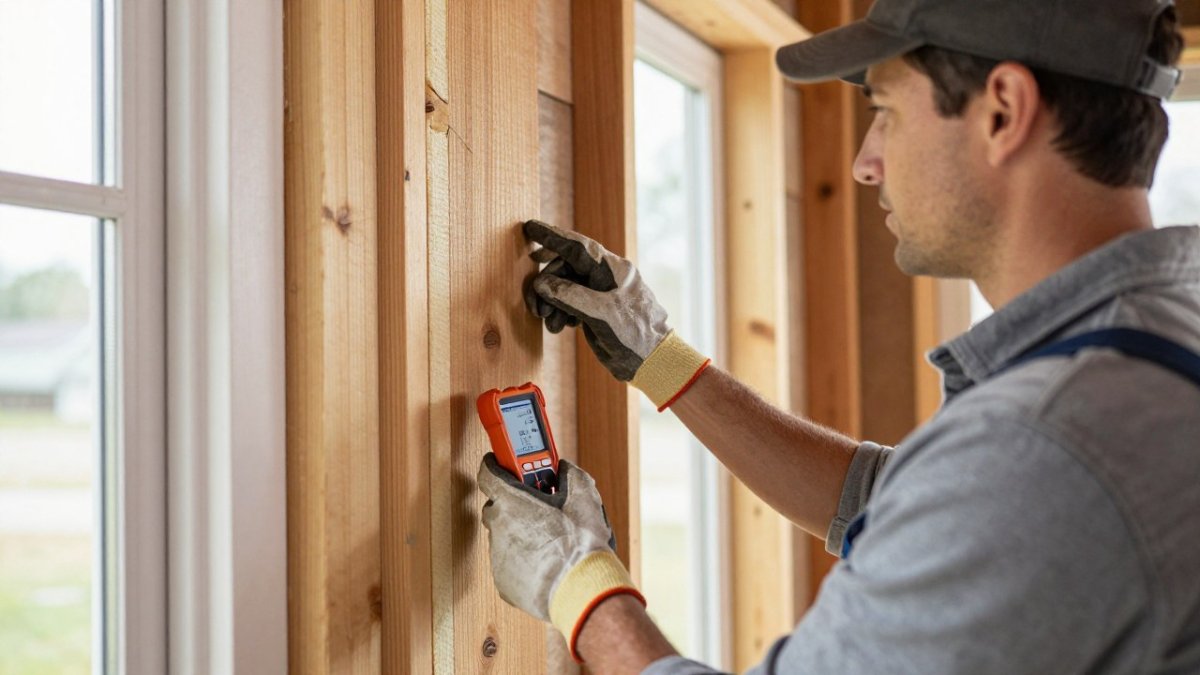
Start by identifying what is actually on the wall. Older homes may have original wood clapboard, asbestos-cement shingles, aluminum or vinyl overlays, or multiple layers added over the decades. Each layer affects how the wall dries and how much weight the framing is carrying. Look for soft or discolored trim, bubbling paint, staining below windows, and musty odors inside near exterior walls.
Step 2: Check Insulation and Air Leakage
Many older homes have little or no cavity insulation, and some have insulation that has settled, gotten wet, or was installed without a proper air barrier. Air leakage is often the bigger problem: a wall can carry a modest amount of insulation and still lose heat quickly if air moves freely through it. New siding alone does not fix this.
Step 3: Plan Continuous Exterior Insulation and Drainage
On many older walls, the most effective retrofit is continuous exterior insulation paired with a weather-resistive barrier and a drainage gap behind the new cladding. Rigid foam installed outside the sheathing reduces thermal bridging through the framing, and a rainscreen gap lets water drain and the wall dry. The right insulation thickness and detailing depend on the existing wall construction and the local climate, so the assembly should be designed for the house rather than copied from a generic detail.
Step 4: Manage Moisture and Weather Resistance
Moisture trapped behind old siding is one of the most common problems we find on older homes, and covering it up can accelerate rot. Our guide on how to spot poor siding installation covers the hidden problems to look for before committing to a new installation, and our step-by-step guide to finding water behind siding explains how to check for trapped moisture.
U.S. Environmental Protection Agency guidance on moisture and mold in homes
Step 5: Account for Hazardous Materials and Safe Removal
Siding and trim painted before 1978 may contain lead paint, and some older siding and backing materials may contain asbestos. Disturbing either during removal can create a health hazard and a regulatory problem, so test before demolition and follow federal lead-safe renovation practices when painted surfaces will be disturbed. Safe removal and disposal should be planned and budgeted before work begins.
Step 6: Match the System to the Climate and Wall Type
There is no single best siding for every old home. A system that performs well on a vented wood-frame wall in a cold climate may not suit a solid masonry wall or a hot-humid climate.
Watch out: skipping the assessment and installing new siding directly over failing sheathing or trapped moisture can hide a problem that will worsen over time and cost far more to fix later.
Preserving Historic Character While Improving Efficiency
Many owners of older homes want better performance without losing the look that makes the house distinctive.
If the home sits in a designated historic district, check local review requirements before changing the exterior. Those rules differ from town to town, so confirm them with the local planning or historic commission office before work begins.
Energy Efficient Siding Tax Credit and Incentives
Federal and state energy incentives change over time and are tied to specific upgrades, so eligibility and amounts should be confirmed before you plan a project around them. Check the current requirements at U.S. Department of Energy’s home energy incentives page and with your state’s energy office. Utility rebate programs sometimes cover insulation work even when siding alone does not qualify.
Booking a Wall Assessment for Your Old Home
A wall assessment is the most practical first step. It shows what is behind the siding, whether moisture or rot is present, and which upgrade will actually reduce your heating costs. If you are unsure, read whether a siding consultation is worth it before you schedule one. All Weather Exteriors LLC is licensed and insured.
Frequently Asked Questions
What is the most energy-efficient exterior siding?
No single siding material is the most efficient on its own. Siding is a cladding layer, so its effect on energy use depends on whether it adds continuous insulation, seals air leaks, and sits over a sound water-resistive barrier. Insulated vinyl siding adds a modest layer of foam backing, while fiber-cement and wood add durability and can be paired with exterior insulation boards for a larger thermal gain. Ask for a whole-wall assessment, since the wall assembly decides most of the outcome.
How can I make my older house more energy-efficient?
Start by air sealing, since drafts around windows, rim joists and penetrations often cost more than missing insulation. Then check attic and wall insulation, and address the exterior cladding when it is failing anyway. Siding replacement is the moment to add insulation to the wall cavity or exterior, which is hard to do later. Sequence the work so that air sealing and insulation are finished before the new siding goes on.
Does insulated siding make an older home more energy-efficient?
Insulated siding adds a thin foam backing that raises the wall’s R-value somewhat, but the gain is limited and depends on the rest of the wall. It does not fix air leakage, and it cannot replace properly insulated cavities. For older homes with gaps, out-of-plumb framing or water damage, the added insulation may not offset the cost of the underlying repairs. Measure your heating costs before and after to judge the real result.
Can you add insulation when replacing siding on an old house?
Yes, and re-siding is one of the most practical times to do it. Options include blown-in cellulose into the cavities from the exterior, rigid exterior insulation boards under new cladding, or both. Each method has trade-offs around moisture, the existing sheathing condition and whether window trim must be moved. Confirm that the wall can dry to both sides before adding insulation, and verify that the installer checks for hidden moisture and lead paint before any work starts.
What should homeowners check before installing new siding over old siding?
Check for rot, water staining and soft sheathing, because new siding will hide these problems rather than solve them. Confirm the existing wall has a working water-resistive barrier and flashing at windows and doors. Look for layers already present, since most codes limit the number of siding layers. Test for lead paint in pre-1978 homes, since the EPA’s Renovation, Repair and Painting Rule requires certified practices for disturbing it.
Is there an energy efficient siding tax credit?
Federal tax credits for home energy improvements have changed over time, and eligibility for siding specifically depends on the product’s certified performance and the tax year. Check the current rules with the IRS and the Department of Energy’s energy.gov resources, and confirm with a tax professional before counting on any credit. Some New Hampshire and Massachusetts utility programs also offer rebates for insulation and air sealing, so ask your utility and state energy office what is available.
How do I preserve an older home’s character with new siding?
Match the original profile, exposure and width where possible, and keep trim, corner boards and window casings intact. Fiber-cement can mimic wood grain and lap profiles closely, and wood can be retained where it is sound. Insulation layered on the exterior changes the depth of window and door reveals, so plan trim extensions in advance. Ask for samples on your house before committing to a color or profile.